
Member Spotlight: Foreship by RINA
This month, we are proud to announce Foreship by RINA as our member spotlight feature! For more than two decades, Foreship has been at the forefront of ship design, engineering, and consultancy for the global passenger vessel market.
Founded in Finland in 2002, the company has built a reputation as one of the maritime industry's leading independent design and engineering firms, specializing in cruise ships, RoPax ferries, and other large passenger vessels. Today, Foreship operates internationally, providing expertise in naval architecture, energy efficiency, sustainability, and vessel lifecycle optimization.
While "maritime electrification" has become a major industry topic in recent years, for Foreship, electrification has long been part of everyday business. Most passenger vessels designed by the company already rely on diesel-electric propulsion systems, making the transition toward batteries and hybrid solutions a natural evolution rather than a disruptive change.
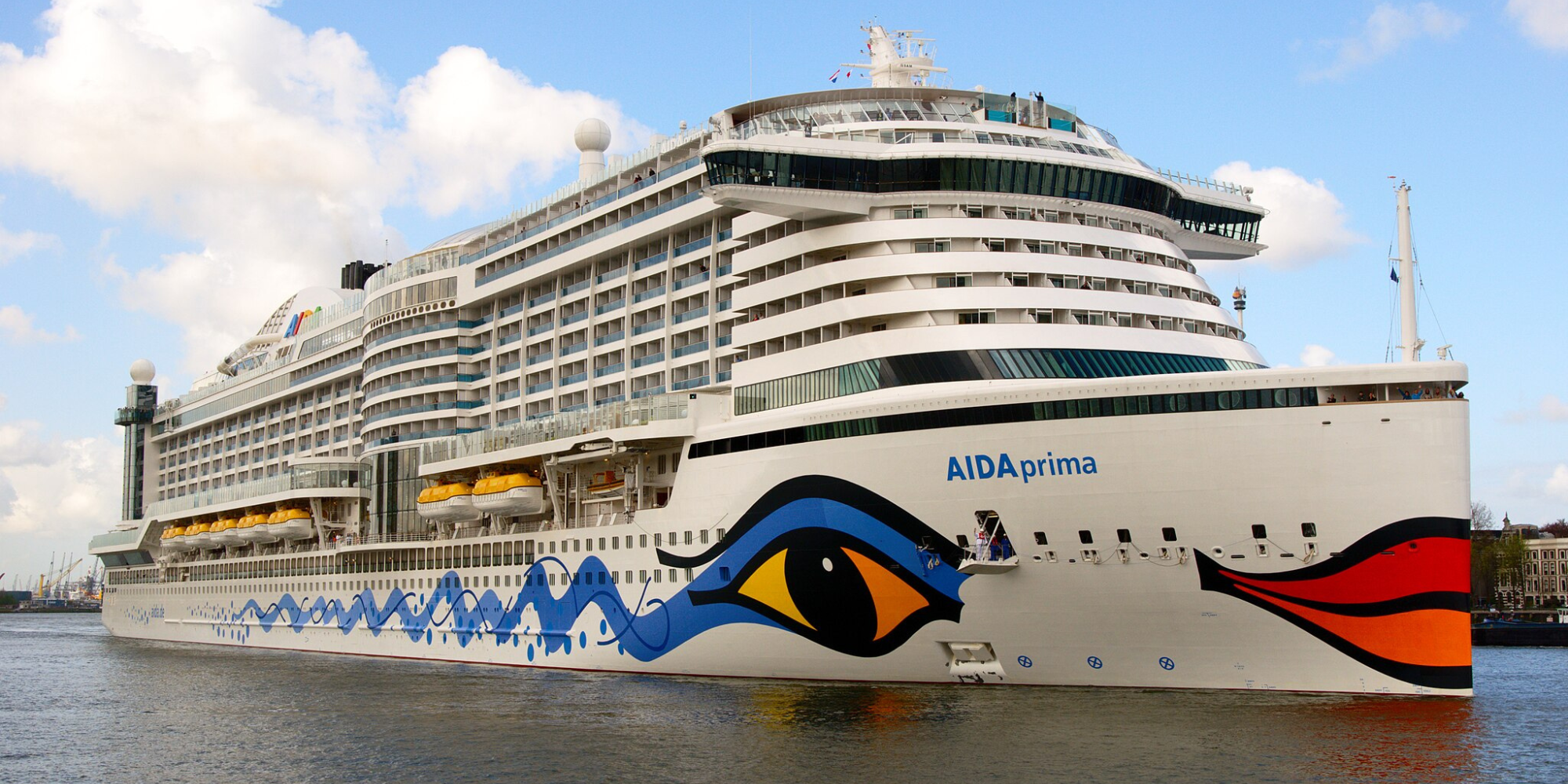
Photo credit - AIDA prima (Foreship by RINA)
From Early Battery Retrofits to Industry Standard
Foreship was involved in one of the industry's earliest and most ambitious large-scale battery retrofit projects in 2017 when it developed the design for a 10-MWh battery installation on an AIDA cruise vessel. At the time, the project represented a significant engineering challenge, requiring the conversion of two potable water tanks into dedicated battery rooms while addressing complex regulatory, safety, and integration requirements.
The project provided valuable lessons in battery safety, classification requirements, ventilation, fire protection, and system integration. Years later, it remains one of the largest batteries retrofit projects undertaken on a passenger vessel and helped establish knowledge that has since become standard practice across the industry.
Today, batteries are no longer viewed as experimental technology. According to Foreship, battery systems are now included in virtually all new outline specifications for passenger vessel projects. What began as an innovative retrofit concept has evolved into a mainstream design consideration.
Driving Decarbonization Beyond Fuel Switching
For Foreship, the business case for batteries extends well beyond electrification itself. One of the primary drivers is the need to reduce methane slip from LNG-powered vessels, an increasingly important environmental challenge as regulators and operators seek to lower lifecycle greenhouse gas emissions.
Batteries also play a critical role in improving the efficiency of emerging alternative fuels such as methanol. By enabling peak shaving, energy optimization, and improved load management, battery systems help maximize the performance of future low-carbon propulsion solutions.
As a result, batteries are increasingly viewed not as standalone technologies but as essential components within integrated energy systems that support the broader decarbonization of shipping.
Tackling the Industry's Biggest Bottleneck
Despite the growing adoption of onboard battery systems, Foreship identifies **shore-side charging infrastructure as the industry's most significant challenge.
The issue is twofold. First, many ports simply lack sufficient electrical capacity to support high-power vessel charging. Second, unlike shore power systems, which benefit from mature international standards such as IEC and OPS frameworks, there is currently no universally adopted standard for ship-to-shore battery charging systems.
This lack of standardization creates uncertainty for shipowners, ports, and equipment suppliers alike, making large-scale deployment more difficult and slowing investment decisions.
Foreship also points to battery energy density as a secondary challenge. While battery technology continues to improve, weight and space limitations still constrain the size of installations that can realistically be accommodated onboard large vessels. However, the company does not view safety as a major obstacle, considering it a solvable engineering challenge when proper design principles are applied.
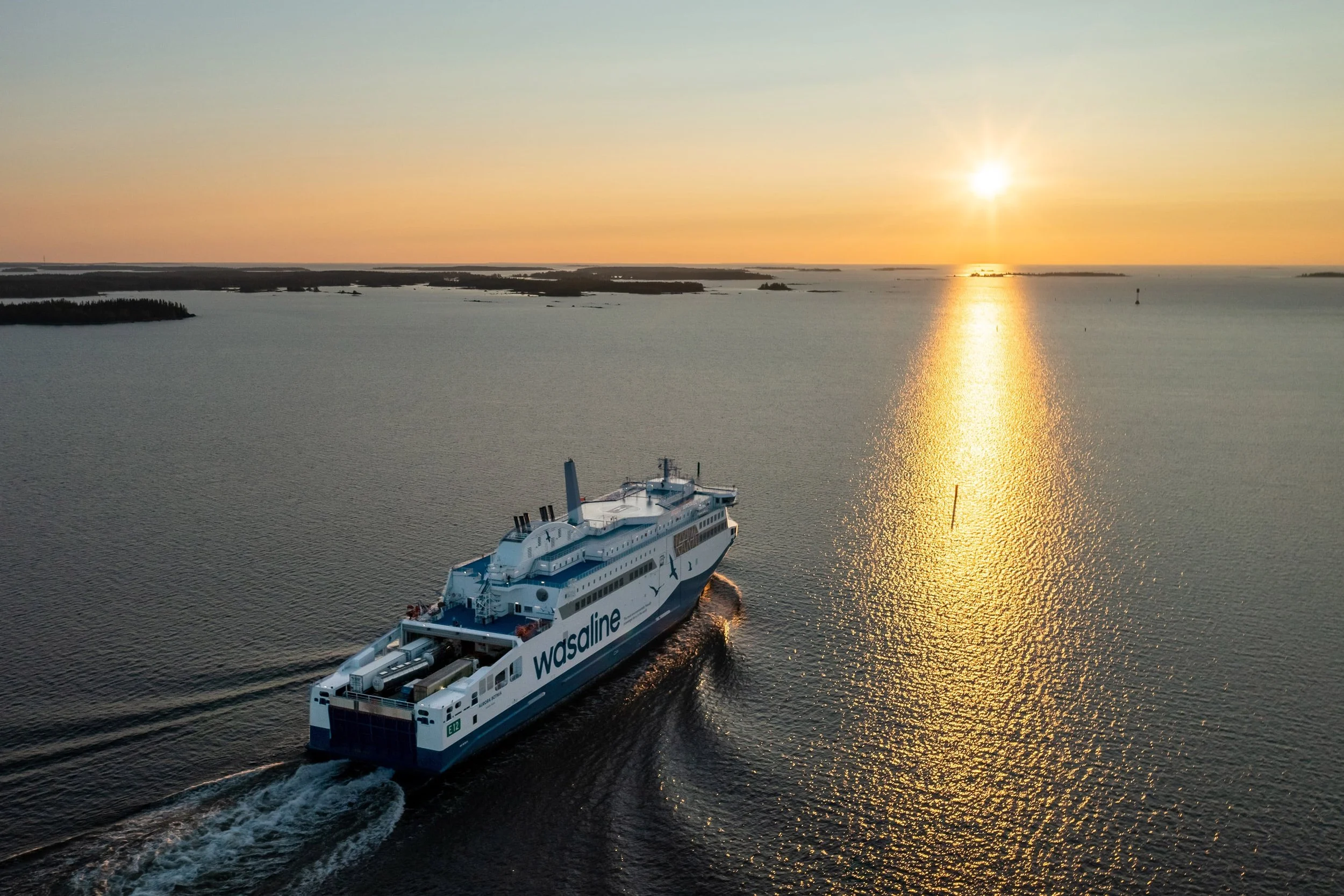
Photo credit - Wasaline Project (Foreship by RINA)
Expanding Globally While Staying Independent
As demand for sustainable vessel solutions grows worldwide, Foreship is expanding its presence in new markets, particularly across Asia. The company has strengthened its position in Singapore and is actively supporting customers throughout the region as battery and hybrid technologies gain momentum.
In 2025, Foreship also became part of RINA, the inspection, certification and engineering consultancy multinational. While benefitting from RINA’s global presence and multidisciplinary expertise, Foreship continues to operate as an independent business unit, maintaining its engineering-led culture and customer-focused approach, which has enabled the company to build long-term relationships with leading shipowners and operators around the world.
Batteries Becoming the New Normal
Foreship expects maritime battery deployment to accelerate significantly over the next few years. The company projects that installed battery capacity, compared to today, could double by the end of 2028, driven by a new generation of vessels incorporating increasingly large battery packs. Cruise ships are already being designed with battery capacities in the 10–20 MWh range, while some ferry projects are exceeding 50 MWh installations.
While emerging technologies such as solid-state batteries attract considerable attention, Foreship believes that near-term progress will come primarily through incremental improvements in existing technologies, including advances in cooling systems, energy management, and battery integration.
The company expects batteries to become a standard feature across the passenger shipping sector and actively uses market data and project experience to help educate customers on the evolving business case for electrification.
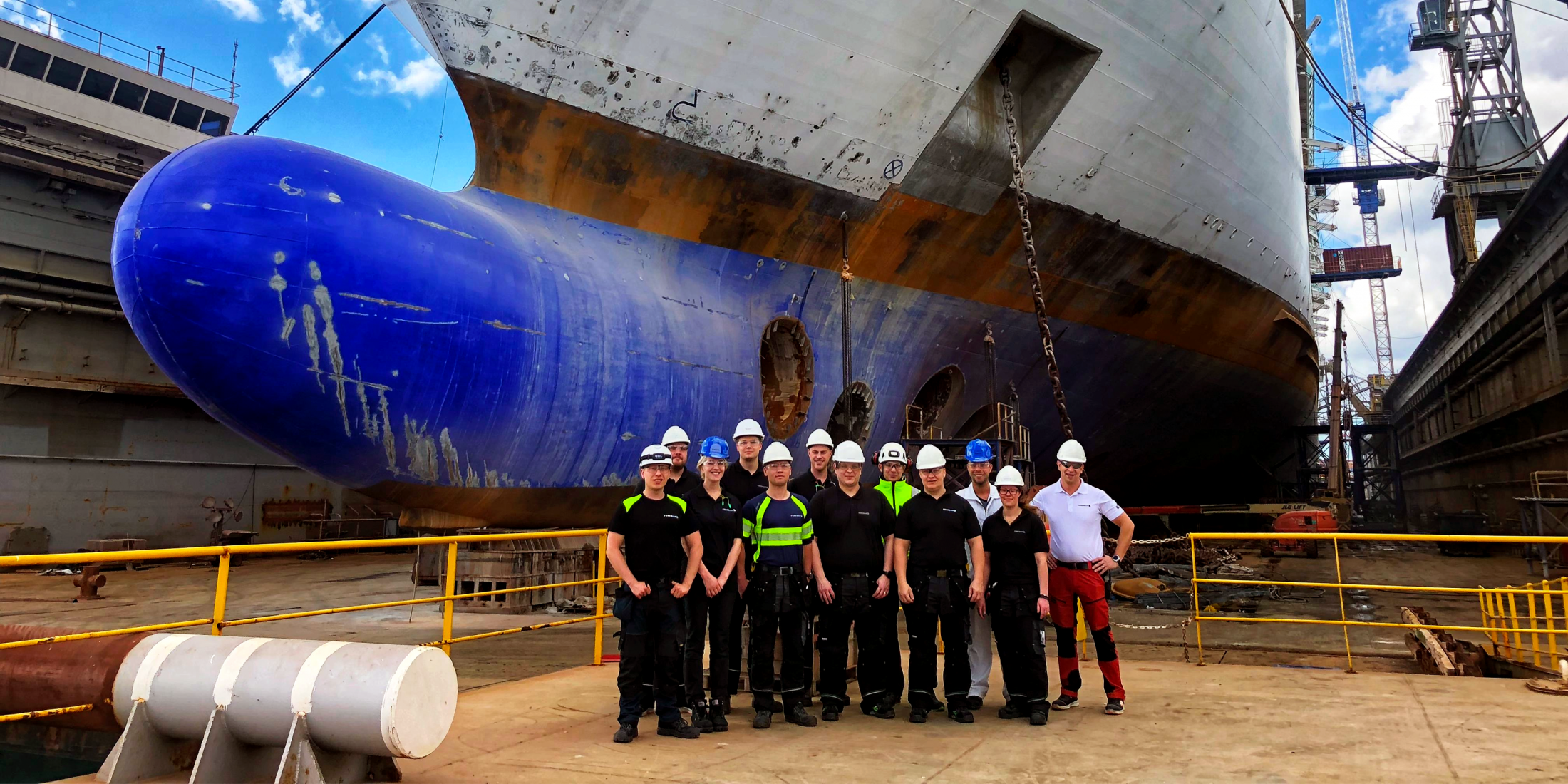
Photo credit - Team photo Foreship by RINA
Looking Forward
As one of the maritime industry's most respected passenger vessel design consultancies, Foreship continues to play a pivotal role in translating new technologies into practical, operational solutions. Its early experience with large-scale battery retrofits, combined with its expertise in cruise and ferry design, places the company at the center of the industry's transition toward cleaner and more efficient operations.
For Foreship, the future of maritime batteries is no longer a question of if, but how fast. While infrastructure and standardization challenges remain, batteries have already become an integral part of modern vessel design, and their importance will only continue to grow as shipping moves toward a lower-emission future.
About the Maritime Battery Forum
The Maritime Battery Forum was founded with the aim of promoting new and efficient energy storage technologies in the maritime industry. With over 90 members across 3 continents, the MBF works to disseminate information, facilitate discussion, and accelerate the journey towards a zero-emission maritime future.
Contact :
Ayomide Miracle Salifu
Community & Communications Manager
Email: ayomidesalifu@maritimebatteryforum.com
Website: www.maritimebatteryforum.com
